Diving into the Universe of Poké Plushies


Intro
In the vibrant universe of Pokémon, plushies have carved a niche that appeals to both young and old. These soft toys extend beyond mere playthings; they embody the essence of the Pokémon franchise, creating a bridge between the digital battles and the tangible world. Many fans don’t just see them as collectibles; they resonate with nostalgia, comfort, and community.
When one strolls through an anime convention or a gaming expo, the sight of countless Poké plushies is unmistakable. From an adorable Pikachu to the fierce-looking Charizard, each plushie holds the potential to spark memories from countless hours spent in the gaming world. As such, the journey into the realm of Poké plushies reveals not just their aesthetic charm but a deeper cultural significance intertwined with fandom and personal attachment.
From designs and themes that echo beloved video game moments to limited editions that excite collectors, every plush tells a story. Whether they're displayed on a shelf or hugged tight during gaming marathons, these plush companions have a way of making the worlds of Pokémon feel that much closer.
As we delve further into the enchanting world of Poké plushies, we will examine their origins, the intricate designs available today, the psychological factors that contribute to their popularity, and much more. Buckle up, as we uncover what makes these plush toys so cherished and how they maintain their allure in a constantly evolving market.
Prelude to Poké Plushies
The world of Poké plushies is more than just a collection of soft toys; it represents a significant aspect of fan culture that intertwines nostalgia, creativity, and community. These plush companions serve as physical manifestations of beloved characters from the Pokémon universe, allowing fans to cultivate an emotional connection that often transcends the gaming experience. Understanding this connection helps us appreciate why they matter beyond mere collectibles.
Defining Poké Plushies
At its core, a Poké plushie is a soft toy modeled after Pokémon characters. These plush toys vary in size, material, and design, catering to a wide array of tastes and preferences. Generally, they feature the design elements characteristic of each Pokémon, such as vibrant colors, distinct shapes, and often a level of detail that resonates with the fandom. What distinguishes these plushies from regular toys is not just their tangible form; it’s the stories, adventures, and memories tied to them. From a little kid hugging a Poké plushie to a grown adult incorporating them into their decor, these toys symbolize a connection to a rich culture.
The diversity among these plushies is staggering. You’ll find everything from large, huggable versions perfect for snuggling to smaller keychain varieties that fans can take on-the-go. Limited edition releases often feature rarer Pokémon or unique designs that appeal strongly to collectors. The notion of defining Poké plushies is not merely about their physical characteristics; it’s also about the community and sentiments they foster.
The Evolution of Pokémon Merchandise
The journey of Pokémon merchandise, without question, shows a transformation from simple toys to cultural icons. Initially, Pokémon spawned a range of products during its rise to fame in the late 1990s, including cards, games, and various merchandise featuring characters like Pikachu and Charizard. However, the introduction of plush toys significantly diversified the types of items available and allowed for a tangible connection to the brand.
In early days, plush toys were relatively basic and often included just the most popular Pokémon. However, as the franchise evolved, so too did the merchandise. Today, you can find intricately designed plushies that stay true to character details and are crafted with high-quality materials. Is it any wonder why collectors and fans alike consider them valuable?
"Poké plushies are more than just toys; they are gateways to cherished memories and shared experiences among fans."
From concepts of rarity to variations in production, the evolution reflects an understanding of market trends and fan expectations. Whether it's a life-sized Snorlax or a limited edition Mewtwo available through specific retailers, the aim is always to captivate the fans and enhance their experience in the Pokémon universe. The beloved franchise has undoubtedly made plushies a staple among its merchandise, creating a world where nostalgia meets modern fandom.
Historical Context
The world of Poké plushies is not merely a collection of soft toys; it embodies a significant evolution in how gaming culture intersects with consumer goods. Understanding the historical context of these plush companions provides insight into their longstanding appeal and relevance. Evolution in the video game industry has had a direct impact on merchandise, showcasing how characters resonate beyond their virtual realms into the everyday lives of fans. This narrative begins with the transition from video games to collectibles, followed by the inception of plush toys in the Pokémon franchise.
From Video Games to Collectibles
The journey from mere gameplay to collectible status illustrates a remarkable shift in consumer attitudes. Initially, video games were simply a way to enjoy entertainment. Characters like Pikachu and Charizard were known for their roles in the gaming world. However, as these characters grew in popularity, they captured the hearts and imaginations of fans. The turning point began around the late 1990s when Pokémon emerged not just as a game but as a cultural phenomenon.
Once players became deeply engaged with their digital companions, the idea of physical representations soon followed. Collecting figurines, cards, and eventually plush toys became a natural extension of the gaming experience. Fans began to seek out tangible items that represented their love for these characters. Brands like Banpresto and TOMY jumped into the fray, producing high-quality plushies that appealed to gamers and collectors alike.
This transition signifies a broader trend in the gaming industry. Collectibles offer fans a means to connect with the characters they adore, fostering a more profound emotional bond. These plush items often become conversation starters at conventions and gatherings, leading to rich interactions among fans—each telling their own stories about their favorite Pokémon and the adventures they’ve had together.
The Birth of Plush Toys in Pokémon
The inception of plush toys related to Pokémon marked a crucial milestone in merchandise history. Initial Pokémon collectibles included cards and action figures; plush toys arrived a few years later, cementing their status in the minds of fans. The first set of plush toys appeared in the late 90s, capturing the distinct features and charm of popular Pokémon.
This emergence was notable for several reasons. Unlike traditional toys, plushies offered a softer, more comforting experience. Many fans, young and old, were drawn to the idea of hugging their favorite character. Pikachu, known for its friendly demeanor, became a perfect candidate for this transformation. Plushies like Pikachu, Eevee, and Snorlax enabled fans to take their connection with the Pokémon universe into their lives.
"The creation of Pokémon plush toys signified a new approach to fan merchandise, focusing not only on aesthetics but also on emotional connection."
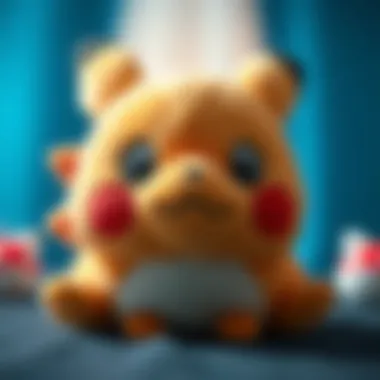
Moreover, the manufacturing processes evolved to embrace innovative designs. Plush toys soon featured varied materials and intricate stitching, highlighting individual character traits while ensuring durability. Consumers began to notice not just the appearance, but the craftsmanship of these toys, enhancing their desirability. It was as if these plush companions gained life-like qualities, bridging the gap between the video game realm and physical interaction.
Varieties of Poké Plushies
In the intricate universe of Poké plushies, variety stands as a cornerstone of their appeal. It’s not merely a matter of choosing a favorite character; the different categories of plushies cater to diverse tastes, collecting strategies, and personal connections. Understanding the variations available helps collectors and fans alike to navigate this engaging realm more effectively. Choosing the right plushie can invoke feelings of nostalgia, promote community engagement, and enhance collection value.
Standard Plushies vs. Limited Editions
Standard plushies, typically easy to find, can be spotted on the shelves of many stores like GameStop or Walmart. These toys often feature beloved characters from the Pokémon franchise, readily available in various sizes to suit every budget. They're designed for everyday fans, and while they may not ignite a collector frenzy, they have their share of loyal supporters. For instance, a standard 12-inch Pikachu plush often evokes joy in children and adults alike.
On the other hand, limited edition plushies create a sense of urgency and exclusivity that standard ones cannot match. Emerging from special events like Pokémon conventions or anniversaries, these plush toys come with unique features such as distinct designs, special colors, or even tags that commemorate the occasion. For example, the Pokémon Center frequently offers exclusive plushes only available through their online shop or physical stores during certain sales. This scarcity not only drives demand but can also lead to significant appreciation in market value. Collectors avidly hunt limited edition plushies, knowing they could potentially sell them for much more in the future.
"Collectors of limited edition plushies often share the thrill of the hunt, trading tips and insights in online forums."
Fabric and Design Differences
The fabric and design of plushies significantly contribute to their allure. Standard plushies usually have a soft, cuddly exterior made from polyester fiber, designed primarily for comfort and playability. They feature vibrant colors that match the characters' game appearances, often designed to withstand the wear and tear of daily use. However, the basic designs can sometimes lack depth, making them less enticing to hardcore collectors who appreciate meticulous craftsmanship.
Limited edition plushies, in contrast, often incorporate special materials or intricate details. For instance, some might feature glitter accents or textured fabric like corduroy or silk, pursuing a level of artistry that standard plushies typically do not achieve. The attention to detail in these plush toys can elevate them to a whole new level, making them not just toys, but decorative pieces for shelves or display cases.
When it comes to design, limited runs frequently include unique poses or expressions that are not only visually appealing but resonate deeper with fans. A Chibi version of Eevee wearing a winter scarf, for example, may not only be adorable but also evoke specific memories associated with that season’s event within the Pokémon universe.
Choosing between standard and limited editions hinges on individual preferences. Some fans love the practicality of standard plushies, while others are drawn to the treasure hunt of limited editions—both variations enrich the world of Poké plushies in their own distinct ways.
The Role of Poké Plushies in Fan Culture
Poké plushies, those cuddly representations of beloved characters, are not just toys; they serve as cultural icons for fans around the globe. In a world where fandom can often feel fragmented, these plush creations unite enthusiasts by providing tangible connections to the Pokémon universe. Their importance in fandom culture can’t be overstated, from emotional bonds formed through characters to their presence at events that celebrate gaming and anime.
Emotional Connections to Characters
For many fans, plushies embody emotional affiliations that go beyond mere possessions. When someone hugs a Pikachu plush or places a Snorlax on a bedroom shelf, they are not merely engaging with a product. Instead, they're forging a connection with personalities that have resonated with them over years of gameplay, storytelling, and nostalgia. This bond often begins in childhood and evolves as fans grow, evolving into cherished mementos of simpler, more carefree days.
- Nostalgia: Fans often collect plushies to relive memories tied to their experiences with Pokémon, whether it’s battling in a gym or trading cards with friends in school. Each plush serves as a time capsule, transporting players back to their happiest moments in the Pokémon world.
- Representation of Values: Different Pokémon resonate with distinct traits, such as bravery, playfulness, or wisdom. A fan might favor a Bulbasaur because it symbolizes growth and nurturing, whereas another might lean towards Charizard for its fierce independence. This alignment often translates into self-identity, showcasing how plush toys can mirror and reinforce personal values.
Ultimately, the emotional connections fostered through these plush companions enable fans to articulate their identities more deeply. Building relationships with fictional beings allows for reflection and understanding of one’s journey through life.
Poké Plushies at Conventions and Events
Conventions and Pokémon gatherings are vibrant showcases where Poké plushies take center stage. Attendees often carry their favorite plushes as companions, and these toys become part of shared experiences that celebrate passion on a grand scale. Festivals like Pokémon World Championships or Pokémon GO Fest breathe life into this communal atmosphere, where fans can meet others who share their devotion.
At these events, plushies contribute to a palpable sense of community. They can be spotted in various spots:
- Photo Ops: Fans pose with their plushies for countless photos, creating lasting memories encapsulated both in physical form and in digital archives.
- Trading and Selling: Exclusive convention plushies add to the thrill. Fans often search for limited editions or rare variants that might set their collections apart.
- Character Popularity: Certain plushies signify fandom favorites. Events become battlegrounds for showcasing unique designs and discussing lore, allowing fans to discuss their love for specific characters deeply.
"Poké plushies are more than just soft toys; they're bridging gaps between strangers who share a common interest, making each convention feel like a reunion instead of a mere event."
In summary, Poké plushies play an indispensable role in fan culture, not only serving as nostalgic reminders of cherished gaming moments but also as catalysts for community bonding at conventions. They encapsulate the emotional grids that define relationships fans have with the Pokémon franchise, whether spanning decades or just a few years. As the lines between fans and their plush companions continue to blur, it becomes clear that these items are far more than collectibles—they represent shared journeys in the vibrant world of Pokémon.
Manufacturing and Market Trends
Understanding the manufacturing and market trends surrounding Poké plushies illuminates the dynamics that contribute to their status in both the collectibles market and popular culture. As more fans embrace Pokémon as not just characters in a game but as integral components of their childhood and adulthood experiences, the trends in production and the market become pivotal in shaping their availability and desirability. In a landscape where nostalgia and novelty often collide, the processes of sourcing materials and production play crucial roles not only in the quality of the plushies but also in influencing their market longevity.
Sourcing and Production Processes
Sourcing the right materials for Poké plushies entails more than just getting fabric; it’s an art that balances quality, affordability, and sustainability. Toy manufacturers work closely with suppliers to secure soft, durable materials like plush polyester or cotton blends, often ensuring that they meet safety standards, particularly when producing items aimed at children.
The production process usually follows a standardized path:
- Design Phase: Here, sketches are transformed into 3D models. Designers focus on capturing the essence of the characters, ensuring they remain true to the originals.
- Sampling: Prototypes are made for testing, allowing for adjustments before mass production begins. Feedback from focus groups may highlight necessary changes.
- Manufacturing: This takes place primarily in factories, often overseas, where a mix of automated and hand-sewn methods are used. This blend enables efficient scaling while ensuring attention to detail.
- Quality Control: After production, each plush undergoes a rigorous quality check. This is vital because any defect can impact a collector's perception and satisfaction.
"The journey of a plush begins with a design, evolves into a product, and ends in the hands of a devoted fan," noted a seasoned plush designer during a recent interview.
Manufacturers today also consider the growing demand for eco-friendly products, leading to the adoption of biodegradable materials and sustainable practices in production. This shift not only resonates with a conscientious consumer base but also keeps the supply chain robust amid changing regulations.
Impact of Collectibility on Market Prices
The world of collectibles is often a wild ride, and Poké plushies are no exception. The impact of collectibility on market prices can be substantial, transforming a simple plush toy into a coveted treasure. Limited editions, exclusive releases, and collaborations often drive demand upwards, making certain plush toys significantly more valuable than others.
Several factors come into play here that can dictate a plushie's market price:
- Rarity: Limited runs create a buzz among collectors, pushing prices skyward. For example, certain exclusive plushies from events like San Diego Comic-Con can fetch hundreds on secondary markets.
- Condition: Just like comic books or vinyl records, the state of the plush can drastically affect its value. Mint condition pieces, still in their original packaging, tend to draw premium prices.
- Popularity of Characters: Some Pokémon are perennial favorites. The likes of Pikachu or Eevee often command higher prices due to their broad appeal.
- Market Trends: Economic factors, shifts in pop culture—like a resurgence of interest due to new game releases—can lead to spikes or drops in value. Fan engagement on social media platforms, such as Instagram and Reddit, can also amplify interest in specific plushies, leading to price fluctuations.
As the Poké plushie market evolves, it continues to reflect the sentiments, nostalgia, and passions of its fan base. The interaction between sourcing and manufacturing processes with market forces provides a lens through which to view the broader implications of collectibles in pop culture.
Social Media and Online Communities
The rise of social media has woven a new thread into the tapestry of fandom, especially for passionate collectors of Poké plushies. These platforms have emerged as vital hubs where enthusiasts can showcase their beloved plush toys, share insights, and engage in discussions. It's not just about the plushies; it’s about building connections and fostering a sense of belonging in a world where nostalgia for Pokémon has taken on new life through collective enthusiasm.
Influencers and Unboxing Culture
Influencer culture has flourished in this digital age, with many Pokémon fans carving out niches as content creators. These influencers often lead unboxing videos where they reveal new plush releases, share their thoughts about the quality, and highlight unique features. Such content can strongly influence purchasing decisions. The excitement portrayed in their videos fosters a sense of community among viewers, as they often rally together to discuss their thoughts on the latest releases.
Moreover, these influencers play an informal role of curators. They sift through the vast sea of available items, spotlighting hidden gems that might catch a potential buyer’s eye. Their platforms, ranging from YouTube to Instagram and TikTok, become fertile grounds for discussions not just about products but also about thematic collections, trade tips, and stories behind the plushies. It’s a two-way street where followers feel comfortable sharing their own collections, asking questions, or even forming friendships. Through hashtags like #PokémonPlush or #Unboxing, it’s almost like stumbling into a lively market full of character and charm.
Online Marketplaces and Fan Exchanges
In addition to influencers, online marketplaces have been key to the growth and accessibility of Poké plushies. Websites like eBay and Etsy are not merely e-commerce platforms; they have transformed into vibrant communities where collectors can buy, sell, and trade plush toys. Each player in these marketplaces contributes to the larger tapestry of fandom, enriching the ecosystem of collectors.
These venues allow fans to uncover rare plushies or complete sets—items that may have initially been hard to find. Furthermore, fan exchanges on forums or Reddit threads offer camaraderie to those looking to swap duplicates or negotiate prices. This underlines the significance of trust and relationship-building among participants. In an online world where transactions are often impersonal, the shared understanding of Pikachu’s cuteness or the nostalgia tied to a Snorlax plushie fosters goodwill among traders.
"The real value of Poké plushies isn’t just in their price tag, but in the stories they tell and the connections they forge among fans."
Through these online exchanges, collectors don’t just gather plushies; they exchange history, passion, and cherished memories of their Pokémon journeys. This not only strengthens the collectibles market but also reinforces the emotional and psychological bonds fans have with their plush companions.
Overall, the confluence of social media and online marketplaces has transformed the landscape of Pokémon collectibles, crafting a dynamic community that thrives on shared interests and mutual appreciation. This evolution reflects the enduring allure of Poké plushies, transcending merely being toys to becoming significant cultural artifacts.
Psychological Aspects of Collecting
Exploring the psychological dimensions of collecting Poké plushies opens a window into why these soft toys are much more than mere merchandise. This section sheds light on the key emotional and cognitive factors at play, providing insights into the deeper connections fans forge with these charming companions, and how these connections impact both individual collectors and the broader Pokémon community.
The Psychology Behind Attachment to Plush Toys
Attachment to plush toys often stems from a deep-rooted desire for comfort and familiarity. Humans have an innate tendency to seek connections with inanimate objects, particularly those that represent characters from their favorite worlds. The experience of touching a plush—its soft texture and the comforting contours—often evokes feelings of safety and nostalgia that resonate with both children and adults.
This phenomenon can be illustrated by the realization that a Poké plushie may serve as a tangible reminder of cherished memories linked with Pokémon games, shows, or experiences. For instance, a plush of Pikachu might conjure images of long nights spent battling through the Elite Four or afternoons at a friend’s house trading cards. In this way, the plush symbolizes more than just a character; it personifies shared experiences and bonds built over time.
Moreover, many fans express an emotional attachment to plushies because they often represent an idealized version of their childhood. In the bustling chaos of adult life, these plush toys can transport collectors back to simpler days, bringing with them a sense of joy and warmth that transcends time.
Nostalgia and Its Influence on Collecting Behavior
Nostalgia plays a crucial role in shaping the behavior of collectors. It beckons individuals to seek out items that symbolize their past, tying them emotionally to their items of interest. For many collectors, nostalgia is not merely a fleeting sentiment—it's a pervasive force that drives their choices in what to collect.
The act of collecting Poké plushies isn't just about acquiring every available design; it's about gathering markers of an identity that has evolved over the years. As such, it can be common for collectors to seek plushies that evoke specific memories, or even plushies tied to particular game generations. This nostalgia can influence several facets of collecting behavior:
- Search for Rare Items: A collector might go to great lengths to track down a limited-edition plush that was released during their childhood, which can create a sense of urgency and excitement.
- Sharing Stories: Online platforms and communities allow individuals to share their personal stories related to their items, reinforcing the emotional significance behind each plush.
- Value Beyond Price: Many fans see plushies as more than just products; they’re pieces of art that convey personal stories, values, and experiences, which often outweigh their monetary value.
"Collecting becomes not just an act of gathering but a form of storytelling, where each plush tells a narrative of experiences, friendships, and growth.”
Future of Poké Plushies
As we look ahead, the world of Poké plushies is set for a dynamic transformation shaped by various evolving trends and technological innovations. It's crucial to understand how these changes might influence the design, production, and overall appeal of these beloved items. In a market that thrives on nostalgia and innovation, the future promises not only to enhance the aesthetic value of plushies but also to deepen the emotional connections fans hold toward these creations.
Emerging Trends in Design and Production
The design landscape for Poké plushies is continually shifting, embracing fresh aesthetics and sustainable materials. More manufacturers are recognizing the importance of eco-friendly practices, not just for the sake of the environment but also as a strategic move to attract a growing base of conscious consumers. For instance, plushies made from recycled materials are gaining traction, ensuring that fans can indulge their nostalgia while also supporting sustainability.
Moreover, the design of Poké plushies is becoming increasingly intricate. Brands like The Pokémon Company are actively collaborating with artists to bring unique versions of characters to life. Limited edition runs are particularly appealing, where exclusivity drives desirability. This trend not only amplifies the collectible aspect but also gives fans a sense of owning something special, something that resonates deeply with their love for the franchise. In addition, developments in 3D printing technology are removing traditional barriers in production, allowing for customized plushies that fans can tailor to their specifications. Imagine a plush that embodies your unique creations or favorite combinations—this personalization could take the collecting world by storm.
The Influence of Technological Advancements
Technological advancements are also reshaping the fabric of Poké plushies. Integrating tech features such as sound chips that play character voices or phrases has started to enhance the interactive experience for fans. This type of innovation caters to a younger demographic as well, who are accustomed to immersive experiences in gaming and media. With augmented reality (AR) at the helm, the next wave of plushies could include features where fans can scan their plush toys with a smartphone to unlock games or exclusive content.
Moreover, online platforms are simplifying the connection between fans and manufacturers. Social media sites like Instagram and Reddit are becoming hubs for creators and fans to interact, share ideas, and showcase unique designs. This growing interaction is invaluable as it forms a community that shares a common passion. As designers and manufacturers tap into direct feedback from consumers, they can tailor their products more closely to what fans want, promising a brighter, more engaging future for Poké plushies.
"The evolution of Poké plushies is not just about merchandise; it’s about building connections, memories, and experiences that transcend generations."
In summary, as the market for Poké plushies grows, the emphasis on innovation, customization, and sustainability will likely define its trajectory. Collectors and casual buyers alike can look forward to a landscape rich in variety and possibility, where each plushie tells a story of its own.
Culmination
In summarizing the exploration of Poké plushies, it becomes evident just how integral these plush toys are to the Pokémon phenomenon. The significance of Poké plushies extends beyond mere merchandise; they encapsulate the essence of connection, fandom, and nostalgia, offering a tangible representation of characters that have influenced so many lives across the globe. Within their soft fabric and friendly designs, they hold memories of adventures, battles, and friendships formed through gaming.
As noted throughout this piece, Poké plushies serve not only as collectors’ items but also as emotional artifacts that resonate deeply with fans. Whether it’s the childhood memories associated with trading Pokémon cards or the excitement of discovering a new plushie at a convention, the attachment participants feel connects them to a larger community bound by shared experiences and love for the franchise.
Furthermore, the continual evolution of Poké plushies in design, production, and marketing signifies their adaptive presence in the toy industry. Brands are increasingly mindful of fan culture, leading to innovations in limited editions and design choices that reflect current trends and technological advancements. Ultimately, through their development and status as collectibles, Poké plushies remain relevant and cherished in a world that constantly seeks nostalgia and connection.
"Poké plushies are not just toys; they're memories wrapped in fabric."
Recapping the Significance of Poké Plushies
The multifaceted world of Poké plushies tells a captivating story of consumer culture intertwined with the desires and dreams of fans. Over the years, they have morphed from simple plush toys to coveted collectibles, each representing different phases in the Pokémon journey. They embody the whimsy and imagination that propelled the Pokémon franchise to phenomenon status, reminding fans of their early adventures with Pokémon.
Additionally, the impact of Poké plushies on community building cannot be overstated. Through social media, collectors are able to share their treasures, trade items, or seek advice from others, creating a vast network of camaraderie that enhances the appeal of owning these plush companions. The value derived from these interactions further cements their place in pop culture.
The Ongoing Appeal of Pokémon Merchandise
The Pokémon franchise has exhibited exceptional longevity, maintaining its relevance in a rapidly changing entertainment landscape. One of the key elements contributing to this persistence is the consistent introduction of new Pokémon, which invigorates interest and appeals to both new fans and seasoned collectors alike. The flow of new plushie releases in alignment with game launches and animated series ensures that there’s always something fresh on the horizon.
Moreover, nostalgia plays a powerful role in the appeal of Pokémon merchandise. For many, the plushies evoke fond memories of childhood gaming or the joy of trading with friends. As a result, the ongoing production of plushies tied to both classic and new Pokémon allows fans to relive those cherished moments while adapting to new ones. This interplay of old and new creates a compelling narrative that keeps Pokémon at the forefront of the collectible realm.
With dedicated online marketplaces and fan-driven events, the culture surrounding Pokémon plushies and merchandise continues to thrive, making them more than just toys—they represent a shared journey through a beloved universe. Through every plushie purchased, the connection to the Pokémon community grows stronger, ensuring that the legacy continues to endure.